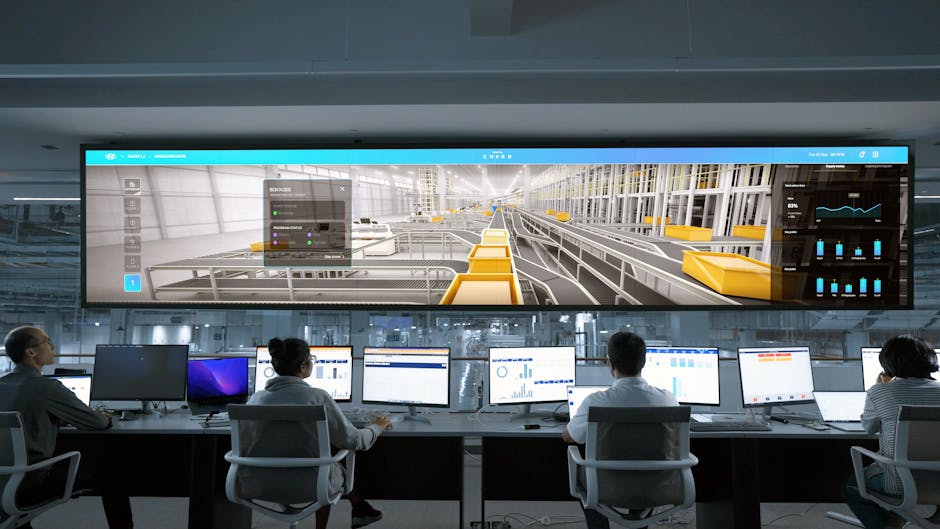
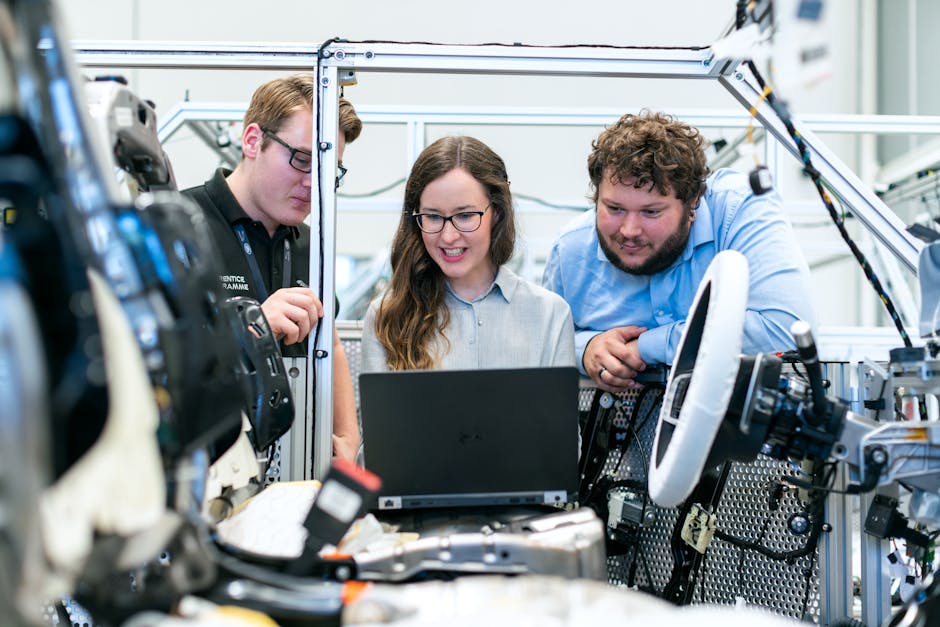
Australian businesses are discovering that AI is no longer a futuristic expense — it is a present-day cost-cutting engine. Across sectors from retail to logistics, SMEs and enterprises are using AI automation to trim operational costs by 20 to 40 percent in 2026. If you are not yet exploring this, your competitors probably are.
What Is AI-Driven Cost Reduction?
AI-driven cost reduction means using intelligent software to automate repetitive tasks, reduce labour overhead, minimise errors, and make faster decisions — all without proportional increases in headcount. In an Australian context, where labour costs are among the highest in the Asia-Pacific region, this is particularly high-impact.
Common applications include AI-powered customer service chatbots replacing first-line support agents, predictive analytics that reduce inventory waste, automated invoice processing cutting finance team workload, and AI scheduling systems that optimise workforce deployment in retail and logistics.
Why It Matters for Australian Businesses in 2026
Australia's inflation environment has pushed operating costs up sharply since 2022. Energy, rent, and wages have all risen. Against this backdrop, AI automation offers one of the few levers businesses can pull to reduce costs structurally rather than just cutting headcount or quality.
The federal government's National AI Strategy and state-level digital transformation grants have also made AI adoption more accessible for SMEs in Queensland, Victoria, New South Wales, and South Australia. Businesses that act now benefit from both the grants and first-mover advantages in their sectors.
How AI Is Changing Cost Structures in Australia
Three shifts are particularly significant. First, AI tools like OpenAI's GPT-4o and Australian-built platforms are automating knowledge work — drafting proposals, summarising documents, answering customer queries — at a fraction of the cost of hiring additional staff. Second, predictive maintenance AI is being adopted in manufacturing and property management, reducing emergency repair costs by 30 to 50 percent. Third, AI-driven procurement and supplier intelligence tools are identifying cost savings in supply chains that were previously invisible to human analysts.
Real-World Examples from Australia
A Melbourne-based logistics company implemented an AI route optimisation system and cut fuel costs by 22 percent within six months. A Sydney e-commerce retailer deployed an AI chatbot for customer service and reduced support ticket resolution time from 4 hours to 18 minutes, cutting support team costs by 35 percent. A Brisbane property management firm used AI-powered lease processing automation and eliminated 60 percent of manual administrative work.
These are not outlier results. According to Deloitte's 2025 Australia AI Adoption Report, 68 percent of Australian businesses that implemented AI in customer service or back-office operations reported measurable cost reductions within the first 12 months.
Practical Steps for Australian SMEs
Start with the highest-cost, most repetitive process in your business. For most Australian SMEs that is customer support, data entry, or scheduling. Commission a short AI readiness audit (typically 1 to 2 weeks) to identify which processes are automatable and what the expected ROI is.
Then build an MVP automation in 4 to 6 weeks to prove the concept before committing to a full rollout. Platforms like Make.com, Zapier, and custom Node.js or Python automation scripts are often sufficient for initial implementations. For more complex AI integrations — including LLM-based customer service, predictive analytics, or computer vision — a specialist development partner can typically deliver in 8 to 12 weeks.
Future Outlook: AI Cost Reduction in Australia
By 2027, analysts project that Australian businesses using AI automation will have a 15 to 25 percent structural cost advantage over those that have not adopted it. This gap will widen as AI models become cheaper to run and easier to deploy. The businesses investing now are building a compounding efficiency advantage.
Conclusion
AI is the most effective cost-reduction tool available to Australian businesses in 2026. Whether you are a 10-person SME in Adelaide or a 200-person mid-market company in Sydney, there are accessible, practical AI implementations that will reduce your operating costs within 90 days. The question is not whether to start — it is where to start first.