Can d-Matrix's Nvidia Chip-Linking Deal Lower AI Costs for US Firms?
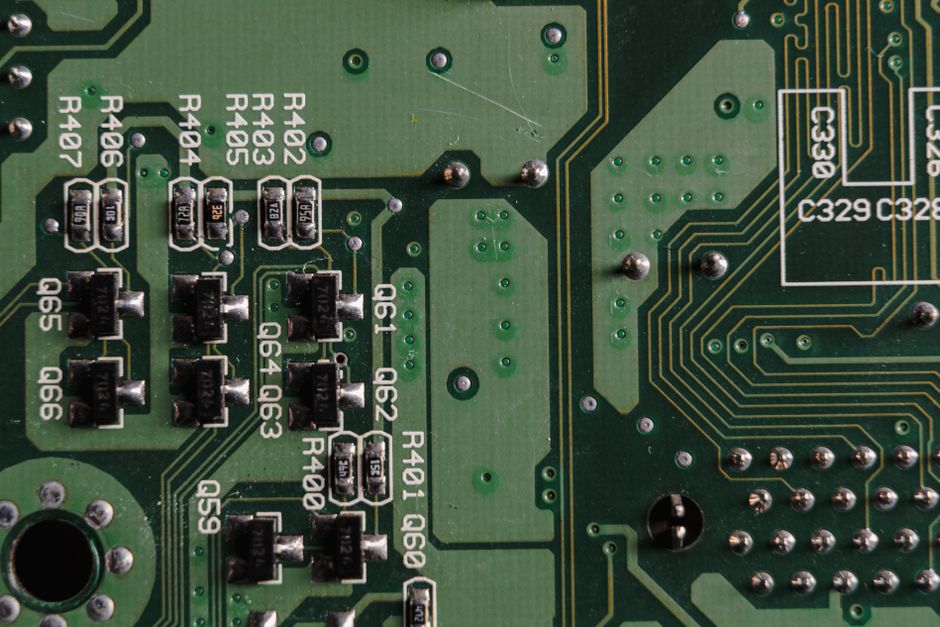
AI chip startup d-Matrix has confirmed it will build Nvidia's chip-linking interconnect into its own AI inference servers. It reads like a hardware footnote. For US businesses paying cloud providers by the hour for AI compute, it's actually an early signal that the cost of running AI at scale may be about to shift, and not the way most vendors are marketing it.
What is the Concept
Chip-linking technology, in Nvidia's case its NVLink interconnect, lets multiple processors share memory and data at very high speed so they behave like one larger, faster compute unit. Historically this interconnect was reserved for Nvidia's own GPUs, reinforcing vendor lock-in: buyers wanting the fastest connected AI cluster had to purchase an entire Nvidia stack, end to end.
d-Matrix building support for that interconnect into its own competing AI inference chips means non-Nvidia hardware can now plug into the same high-speed fabric. For buyers of AI compute, that is the first real crack in a closed ecosystem that has kept prices high through limited competition.
Why It Matters Now (2025–2026 Context)
US enterprises and SMEs have absorbed steep AI infrastructure bills over the past two years as demand for GPU capacity outpaced supply, pushing cloud providers like AWS, Azure, and Google Cloud to charge premium rates for inference workloads. A mid-size SaaS company in Austin or Denver feels every hardware price movement directly in its monthly cloud invoice.
More competition among AI chip makers has historically driven down compute costs over an 18 to 24 month cycle, and that matters for any US business budgeting a multi-year AI roadmap right now. Cheaper, more available inference hardware in 2026 could be the difference between shipping a production AI feature and shelving it for a later fiscal year.
How AI Is Changing This
The obvious read is 'more competition, lower prices' — true, but too simple. The more important shift is that d-Matrix's move breaks Nvidia's interconnect monopoly without Nvidia losing revenue, since Nvidia can still profit from licensing or supplying the linking technology itself. Contrarian take: Nvidia isn't being disrupted here, it's diversifying from selling chips to selling the connective tissue between everyone else's chips too — a more durable moat than hardware alone.
For any US business buying AI infrastructure or cloud AI services, the real cost lever to watch in 2026 isn't which chip brand your cloud provider uses — it's whether that provider can mix vendors on the same interconnect to negotiate better pricing on your behalf.
Real-World Examples
AMD and Intel made similar moves in past hardware cycles, opening their platforms to third-party interconnects once a dominant player's proprietary fabric became a bottleneck for enterprise buyers. US cloud resellers and managed service providers already blend hardware vendors to control cost when reselling GPU capacity to mid-market clients; a broader interconnect standard makes that blending easier and cheaper to pass on to customers.
A US fintech running fraud-detection inference at scale, for instance, could see its per-transaction AI cost drop as cloud providers gain more hardware options to route workloads through the cheapest available capacity.
Practical Insights / Actions
Framework worth naming: the 'Compute Portability Test.' Before signing a multi-year AI infrastructure contract, ask your provider directly whether your workloads are portable across chip vendors on their platform, or locked to a single proprietary stack. If the answer is lock-in, you are exposed to future price increases with no negotiating leverage.
Founder mistake to avoid: assuming today's AI compute pricing is the floor. US founders budgeting multi-year AI roadmaps often over-provision for cost on the assumption hardware prices only rise; developments like this one suggest the opposite is increasingly likely for standard inference workloads.
Future Outlook
Expect 2026 to bring more interconnect-sharing announcements as chip startups race to compete with Nvidia without rebuilding an entire ecosystem from scratch. For US businesses, that should translate into more competitive cloud AI pricing and more provider choice, provided cloud vendors actually pass the hardware-side savings on rather than absorbing them as margin.
Conclusion
d-Matrix adopting Nvidia's chip-linking technology looks like a niche hardware story, but for US businesses it is an early signal that AI compute costs may loosen over the next 18 months as the interconnect layer opens up. The businesses that benefit will be the ones that build contract flexibility in now rather than locking into rigid, single-vendor AI infrastructure deals. If you're planning an AI infrastructure roadmap for your business, RP SoftTech can help you evaluate provider contracts for portability and cost exposure before you commit.
Frequently Asked Questions
What is Nvidia's chip-linking technology that d-Matrix is adopting?
It refers to Nvidia's NVLink interconnect, which lets multiple processors share memory and data at high speed so they function as one larger compute unit, historically limited to Nvidia's own GPU hardware.
How could this affect AI costs for US businesses?
Opening the interconnect to non-Nvidia chips increases hardware competition, which typically lowers AI compute prices over time, an important factor for US SMEs already paying a premium for cloud AI capacity.
Should US companies delay AI infrastructure investment because of this news?
Not necessarily, but businesses signing multi-year AI infrastructure contracts should negotiate for portability across hardware vendors rather than locking into a single proprietary stack while pricing is still shifting.
Which US industries are most likely to benefit from cheaper AI compute?
Sectors running high-volume inference workloads, such as fintech fraud detection, e-commerce personalization, and customer support automation, stand to gain the most as AI compute costs become more competitive.