How Is Coca-Cola's AI Solving Inventory Headaches for US Retailers?
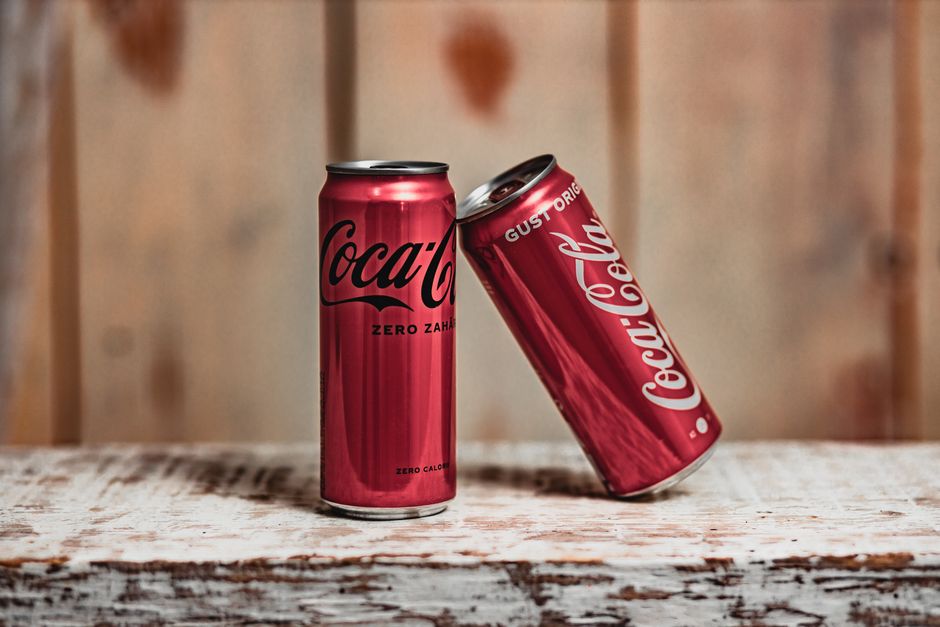
Empty shelves at Walmart or Target cost sales the moment a shopper walks past them. Overstocked warehouses tie up cash for months. Coca-Cola, working with cloud and AI partners including Microsoft, has been retooling its US demand-forecasting stack so retail partners see fewer of both problems, and the fix maps directly onto the inventory headaches every American SME retailer already knows.
What is the Concept
AI-driven inventory forecasting replaces fixed reorder rules with models that read real-time signals, point-of-sale data, weather patterns, local events, and historical seasonality, to predict what a specific store needs days or weeks out. Instead of every location across the country ordering identical case counts, the system adjusts store by store, SKU by SKU.
For a company like Coca-Cola, that means matching bottling and distribution output to hyper-local US demand instead of national averages. For a smaller American retailer, the same logic applies at a fraction of the scale: fewer stockouts on bestsellers, less dead stock tying up working capital.
Why It Matters Now (2025–2026 Context)
US retail margins are thin, and inventory carrying costs, storage, spoilage, markdowns, eat directly into them. Supply chain volatility since 2022 has made manual, spreadsheet-based forecasting unreliable, especially for retailers juggling suppliers across multiple states and time zones.
As large CPG brands adopt AI forecasting, they raise the bar for their US retail partners. When Coca-Cola can tell a distributor exactly how much product a region will move next week, retailers still relying on gut-feel ordering fall behind on shelf availability and cash efficiency alike.
How AI Is Changing This
Modern demand-forecasting tools ingest point-of-sale transactions, promotional calendars, and external signals like local weather or event schedules, then continuously retrain rather than running one static forecast per season. That shift from batch planning to continuous learning is the core change reshaping US retail supply chains.
- Store-level and SKU-level granularity instead of national averages
- Automatic reorder triggers tied to real depletion rates, not fixed calendars
- Anomaly detection that flags demand spikes or drops before they become stockouts
- Feedback loops that improve accuracy after every sales cycle
Real-World Examples
Coca-Cola's public collaboration with Microsoft, spanning generative AI and cloud-based analytics, is aimed squarely at connecting production, distribution, and retail-level demand data so US partners get sharper replenishment signals. Coca-Cola Freestyle dispensers in American restaurants already generate granular consumption data that feeds back into flavor and inventory decisions at a very local level.
Smaller US businesses are following the same pattern with off-the-shelf tools: a regional grocery chain using AI reorder software to cut spoilage on perishables, or a specialty retailer using demand sensing to avoid the classic feast-or-famine cycle around seasonal products.
Practical Insights / Actions
You do not need Coca-Cola's budget to apply this. Start with your highest-velocity SKUs, the 20% of products driving 80% of revenue, and layer AI-based forecasting on those first rather than trying to model your entire catalog at once.
Future Outlook
By the end of 2026, expect AI-driven replenishment to move from a competitive edge to a baseline expectation across US retail, especially as large suppliers like Coca-Cola push sharper, faster data down through their distribution networks. Retailers that wait risk being the weak link that supply chains route around.
Conclusion
Coca-Cola's inventory fix isn't really about soda, it's a proof point that AI-driven demand forecasting works at scale and is now accessible well below enterprise budgets. The founder mistake is treating inventory forecasting as a one-time setup instead of a continuously improving system. Start small, measure forecast accuracy, and let the data compound.
Frequently Asked Questions
How does AI improve inventory forecasting for US retailers?
AI models combine point-of-sale data, seasonality, and external signals like weather or local events to predict demand at the store and SKU level, replacing static reorder rules with continuously updated forecasts that reduce both stockouts and overstock.
What did Coca-Cola actually change in its US supply chain?
Coca-Cola has invested in cloud and generative AI partnerships, notably with Microsoft, to connect production, distribution, and retail demand data, enabling sharper, more localized replenishment decisions across its US bottling and retail network.
Can small US retailers afford AI-driven inventory management?
Yes. Many AI forecasting and reorder tools are sold as affordable SaaS subscriptions priced in USD and built for small and mid-sized retailers, making enterprise-grade demand sensing accessible without the budget of a global brand like Coca-Cola.
Where should a US retailer start with AI inventory forecasting?
Start with your highest-velocity, highest-margin SKUs rather than your entire catalog. Pilot AI forecasting on one category for a full sales cycle, measure accuracy against your old method, and expand once results are proven.