Why Are AI Chip Deals Like Cerebras and Gimlet Labs Important for UK Businesses in 2026?
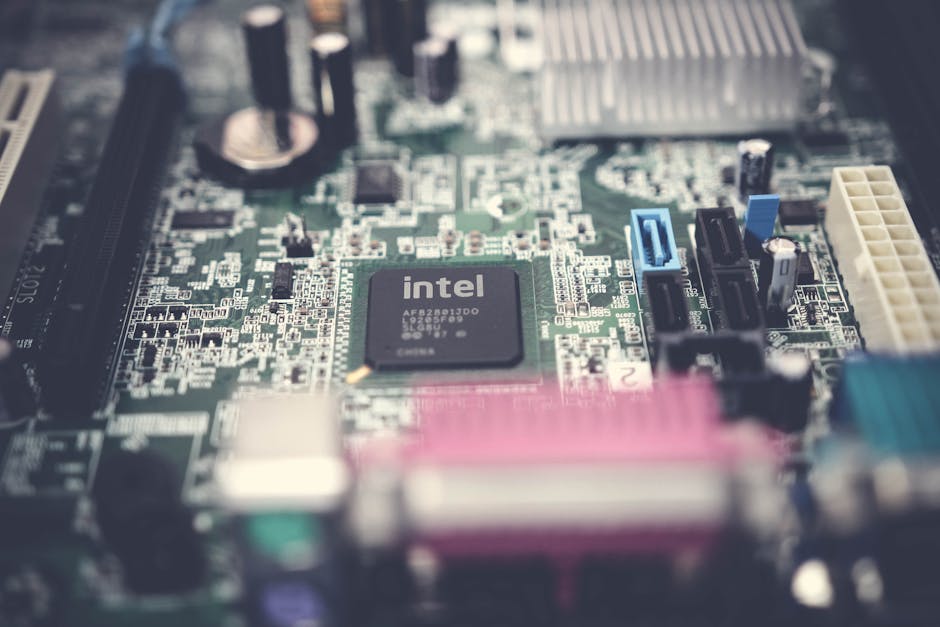
When a chip maker supplies AI systems to a cloud startup, it looks like a story for data-centre engineers. For a UK finance director it is a signal about what AI will cost next year. The hardware behind AI sets your price per answer.
What is the Concept
According to news reports, Cerebras is to supply AI systems to Gimlet Labs, a cloud computing startup. Cerebras builds specialised AI hardware, and Gimlet Labs sells computing capacity, so the deal points to more choice in who provides AI compute. We rely on the reported summary only and do not claim further terms.
The business meaning is straightforward. Most companies do not buy chips. They rent AI through APIs and clouds, and the price and speed they get depend on the hardware and competition underneath.
Why It Matters Now (2025–2026 Context)
UK firms in London, Manchester, and Edinburgh are moving from AI experiments to daily use, and running costs in pounds now appear in budgets. Inference, the cost of every model answer, often outgrows the training or setup spend that teams first planned for.
The contrarian point: the model you choose matters less than the infrastructure economics behind it. Two vendors offering the same model can differ sharply in price, speed, and reliability.
How AI Is Changing This
AI workloads are pushing demand for specialised hardware beyond the traditional GPU supply chain. More suppliers and more cloud providers mean more competition, which tends to help buyers over time, although it is not guaranteed to lower your bill.
For UK buyers there is another angle: where data is processed. Data residency and UK GDPR obligations mean a new cloud provider must be checked for location, contracts, and security before any workload moves.
Real-World Examples
Imagine a London customer-support SaaS whose chatbot answers slow down at peak hours. If a second provider offers faster responses at a similar price, switching could improve retention. This is a realistic scenario, not a measured result.
Or picture a Manchester logistics firm using AI to read delivery documents. With a provider-agnostic setup it can test a newer cloud on cost per document, while a locked-in competitor keeps paying whatever its one vendor charges.
Practical Insights / Actions
Use the Measure-Abstract-Test framework. Measure: track cost and latency per AI task. Abstract: keep your code behind a thin layer so models and providers can be swapped. Test: benchmark a challenger provider quarterly on your own workload.
- Track cost per task and response time for each AI feature.
- Keep models and providers behind a swappable interface.
- Benchmark one alternative provider each quarter on your real workload.
- Avoid long single-vendor commitments without exit terms.
The common founder mistake is signing a long, single-vendor commitment because pricing looks good today. The hidden opportunity is negotiating from a position of tested alternatives.
Future Outlook
Expect more specialised AI hardware and more regional cloud options, with price per answer and response speed becoming standard buying criteria. New startups will also fail or be acquired, so vendor stability deserves a place in due diligence.
UK teams that treat compute as a competitive market rather than a fixed utility will control costs better as AI use grows.
Conclusion
Chip and cloud deals are early indicators of your future AI bill. Measure unit costs, avoid lock-in, and benchmark alternatives. RP SoftTech helps UK businesses audit AI spend and design vendor-flexible architectures.
Frequently Asked Questions
What is the Cerebras and Gimlet Labs deal?
News reports say Cerebras will supply AI systems to cloud computing startup Gimlet Labs, pointing to more options for AI compute capacity in the cloud market.
Does AI hardware news affect small business costs?
Indirectly. Hardware and cloud competition influence the price and speed of the AI services you rent, so it helps to track unit costs and keep vendors swappable.
What is AI inference cost?
It is the cost of running a trained model to produce each answer. For businesses using AI daily it often becomes the largest ongoing expense.
How can a business avoid AI vendor lock-in?
Place models and providers behind a thin abstraction layer, keep your data portable, and benchmark at least one alternative provider on your own workload regularly.