
Most SMEs believe cloud costs rise because they picked the wrong provider. They didn't. Costs rise because nobody owns the waste. Fix ownership and automation before you touch pricing tiers, and a 30% reduction is realistic within one budget cycle.
What is the Concept
Cloud cost reduction for SMEs is the practice of identifying, automating away, and preventing wasted cloud spend — idle servers, oversized instances, orphaned storage, and unused licenses — without cutting the compute capacity the business actually needs. It sits at the intersection of engineering, finance, and operations, commonly called FinOps.
This is not the same as switching to a cheaper vendor. Provider-hopping rarely saves more than 5-10%, and it introduces migration risk. Real savings come from fixing usage patterns: rightsizing compute, scheduling non-production environments to shut down overnight, and automating cleanup of forgotten resources.
Why It Matters Now (2025–2026 Context)
Cloud spend has become the second-largest line item after payroll for many SaaS SMEs, and boards are now asking for cost-per-customer metrics, not just growth metrics. In a funding environment where efficiency is rewarded as much as growth, a bloated infrastructure bill signals poor operational discipline to investors.
At the same time, cloud environments have grown more complex — multi-region deployments, microservices, and third-party SaaS add-ons all generate billing line items that are easy to lose track of. What used to be a single AWS invoice is now a sprawl of services that few founders review line by line.
How AI Is Changing This
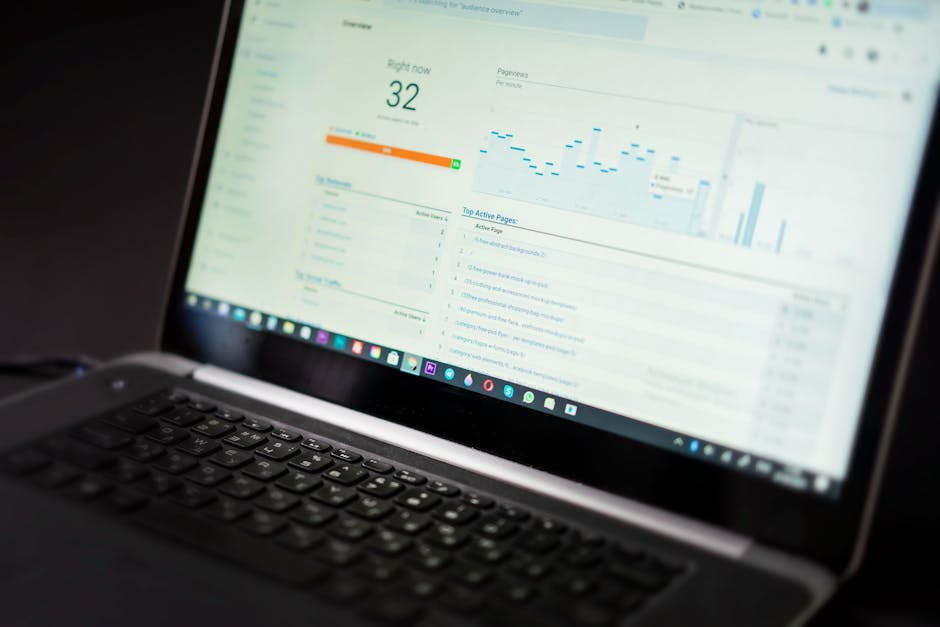
AI-driven cost tools now analyze usage telemetry in real time and flag anomalies before they compound into a large invoice — a spike in storage IOPS, an unattended GPU instance, a forgotten staging cluster running at production scale. This is fundamentally different from the monthly spreadsheet audits most SMEs still rely on, which catch waste 30-60 days after it started costing money.
Predictive rightsizing is the bigger shift. Instead of manually resizing instances based on gut feel, AI models forecast workload patterns and recommend — or automatically apply — the smallest instance size that meets performance SLAs. Teams using this approach typically see savings compound month over month instead of resetting after each manual audit.
Real-World Examples
Basecamp famously left the public cloud entirely and cut over $7 million in projected cloud spend over five years by moving to owned hardware — an extreme move, but it proved that unchecked cloud growth, not the cloud itself, was the real cost driver. Most SMEs don't need to repatriate infrastructure; they need the discipline Basecamp applied before making that decision: knowing exactly what was being paid for and why.
Smaller SaaS teams applying scheduled shutdowns for non-production environments (nights, weekends) routinely report 15-20% savings on compute alone, simply because staging and QA environments run 24/7 by default when they're only used during business hours.
Practical Insights / Actions
Apply the CAP Framework — Cut, Automate, Predict. Cut: run a resource audit and terminate anything unused for 30+ days. Automate: schedule non-production environments off-hours and auto-scale production based on real traffic. Predict: use usage forecasting to rightsize before the next billing cycle, not after.
The founder mistake to avoid: treating cost reduction as a one-time negotiation with your cloud vendor rather than an ongoing engineering discipline. What most teams are really carrying is Cost Debt — the accumulated gap between what you're provisioned for and what you actually use, which grows silently the same way technical debt does until someone is forced to pay it down under pressure.
Future Outlook
By late 2026, expect FinOps tooling to be bundled directly into cloud consoles as a default rather than a third-party add-on, with AI agents making automated rightsizing decisions within pre-approved guardrails. SMEs that build cost observability into their engineering culture now will avoid the scramble that comes when a board asks for a cost-per-customer breakdown they can't produce.
Conclusion
Cutting cloud costs by 30% isn't about finding a cheaper vendor — it's about eliminating Cost Debt through automation and prediction, not just cleanup. RP SoftTech helps SMEs implement AI-driven infrastructure audits and automated cost governance so savings compound instead of resetting every quarter. If your last cloud review was a spreadsheet, it's time for a structured audit.