
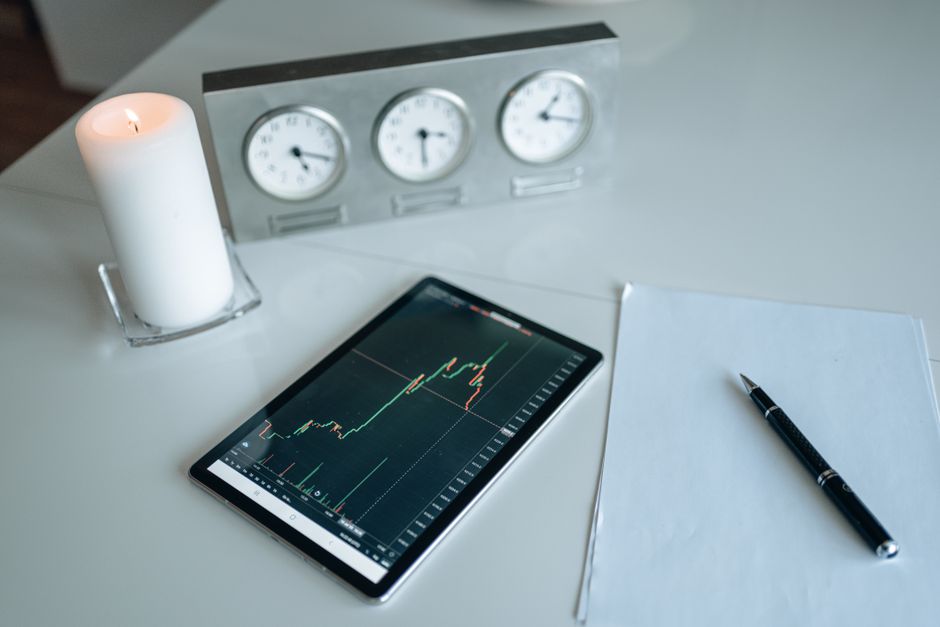
Most traders lose money not because they lack strategy, but because they never audit their own decisions. The Final Tape framework flips that habit: it treats every closed trade like evidence in a case file, run through an AI-powered post-mortem before the next trade is placed.
What is the Concept
An AI trade audit is a systematic review of every executed trade — entry, exit, position size, and the reasoning behind each — analyzed by a model trained to spot recurring behavioral and structural errors. Unlike a manual trading journal, an AI audit cross-references hundreds of trades simultaneously, surfacing patterns a human reviewer would miss: a trader who consistently exits winners too early, or one who doubles position size after a loss out of frustration rather than edge.
The Final Tape is the name for this closing-bell ritual: before the market reopens, every trade from the session is fed into an audit model that tags it against a rulebook — was the setup valid, was risk sized correctly, did emotion override the plan. It's a forensic replay, not a performance report.
Why It Matters Now (2025–2026 Context)
Retail trading volumes have stayed elevated since 2024, and prop firms are scaling headcount without scaling compliance review capacity. At the same time, AI models have gotten cheap enough to run a full audit on a day's trades in minutes rather than the hours a human risk officer would need. That cost collapse is what makes trade-level AI auditing viable for individual traders and small funds, not just institutions with dedicated quant desks.
The contrarian insight: most trading education focuses on finding better entries, but the highest-leverage fix for most accounts is catching the three or four repeatable execution mistakes that quietly erase profits every month. An audit finds those mistakes; a new strategy rarely does.
How AI Is Changing This
Modern audit systems ingest broker execution logs, screen recordings, and even the trader's own notes, then classify each trade against a library of known error patterns — revenge trading, moving stops mid-trade, ignoring a stated thesis. Natural language models can read a trader's rationale written before the trade and compare it against what actually happened, flagging the gap between plan and execution.
This is a meaningful shift from static analytics dashboards, which show what happened but not why it keeps happening. The AI audit closes that loop by producing a ranked list of the costliest recurring behaviors, sized in real dollar terms, so a trader or fund manager knows exactly which habit to fix first.
Real-World Examples
A proprietary trading firm running a Final Tape-style nightly audit across its funded trader pool found that 62% of blown accounts shared one behavior: increasing size after two consecutive losses. Once that pattern was flagged automatically and paired with a hard size-lock rule, the firm's account failure rate dropped within a single quarter.
Independent swing traders using AI journaling tools report a similar effect at smaller scale — the audit doesn't predict the market, it predicts the trader, which turns out to be the more fixable problem.
Practical Insights / Actions
Future Outlook
Expect AI trade audits to move from a nice-to-have journaling add-on to a required layer for funded trader programs, similar to how compliance checks became standard at prop firms after repeated blowups. Brokers themselves may start offering audit-as-a-feature, since reducing account failure directly improves their retention economics.
Conclusion
The Final Tape isn't about predicting the market better — it's about making sure yesterday's mistake doesn't get to vote on tomorrow's trade. For traders and fund managers serious about compounding returns, an AI-driven audit habit is now one of the cheapest edges available. RP SoftTech builds custom AI audit and workflow automation systems for trading teams that want this discipline built into their tools rather than bolted on after a bad quarter.