Is Snatched the AI Photo Editor US Marketing Teams Need in 2026?
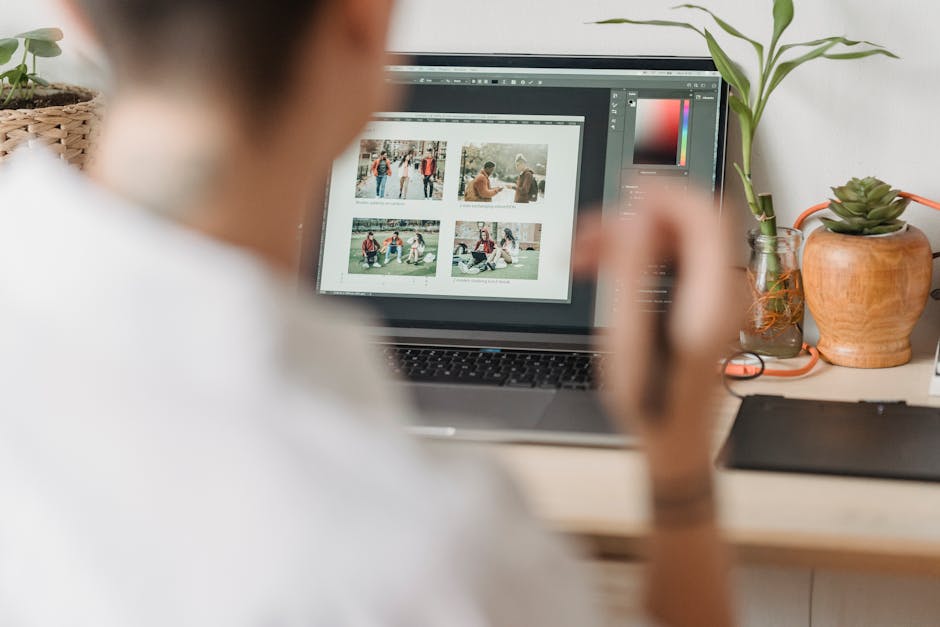
Snatched, an AI photo editor that promises flawless skin and body retouching in a single tap, climbed US app store charts in early 2026 — and most marketing leaders are asking the wrong question about it. The real issue isn't whether the results look too polished. It's that one-tap AI retouching is quietly collapsing the cost structure of visual content production for every US brand that sells online, and the businesses that adapt fastest will out-produce competitors at a fraction of the cost.
What is the Concept
Snatched uses on-device AI models to smooth skin, reshape body contours, and clean up lighting in a photo with a single tap, replacing what used to require manual work in Photoshop or a paid retoucher. For consumers, it's a vanity app. For US businesses, it's a preview of what content operations look like when retouching stops being a line-item expense and becomes a free, instant feature baked into the camera roll.
Traditional product and lifestyle photo editing in the US typically runs through freelance retouchers or agencies charging $15 to $50 per image, with turnaround measured in days. Apps like Snatched compress that entire workflow into seconds, at zero marginal cost. That shift matters far beyond influencer selfies — it's a direct hit to how DTC brands, real estate teams, fitness studios, and beauty companies budget for content.
Why It Matters in United States (2025–2026 Context)
US brands are under constant pressure to feed TikTok Shop, Instagram Reels, and Amazon listings with fresh visuals, and content volume — not just quality — now drives algorithmic reach. Agencies in New York and Los Angeles have historically charged a premium for fast-turnaround retouching precisely because speed was the bottleneck. One-tap AI editors remove that bottleneck entirely, which means the agencies that survive will be the ones selling strategy and brand judgment, not manual pixel work.
There's also a regulatory dimension US marketers can't ignore. The FTC has increasingly scrutinized undisclosed or deceptive image manipulation in advertising, and several states are pushing disclosure requirements for digitally altered body and skin imagery, especially in beauty and wellness marketing. A brand that leans on tools like Snatched for speed without a disclosure policy is trading a cost saving for a compliance risk.
How AI Is Changing This
The underlying shift is that generative and diffusion-based editing models now run efficiently enough to execute complex retouching — skin texture, body proportions, lighting correction — directly on a phone, with no cloud round-trip and no editor on payroll. What used to be a specialized skill is now a default camera feature, and that default is moving upstream into business tools, not just consumer apps.
US-based content teams are already pairing consumer-grade editors like Snatched with bulk-processing pipelines: batch-editing entire product catalogs, standardizing lighting across hundreds of SKUs, and generating localized variants for different regional audiences automatically. The next stage is API access, letting e-commerce platforms plug one-tap retouching directly into checkout and listing workflows.
Real-World Examples
Picture a mid-sized activewear brand based in Austin, Texas, that previously spent roughly $3,000 a month outsourcing product and influencer photo retouching to a freelance team. By shifting routine skin and lighting corrections to an AI editor and reserving human retouchers for hero campaign shots, the brand can reallocate that budget toward paid media or a hire focused on content strategy instead of manual editing.
A boutique influencer marketing agency in Los Angeles managing dozens of creator partnerships faces a similar calculus: batch-approving AI-edited content in minutes instead of routing every image through a retoucher. For brands building this kind of AI-assisted content pipeline without in-house engineering resources, RP SoftTech works with US SMEs to integrate automation tools like this directly into existing marketing and e-commerce workflows.
Practical Insights / Actions
Use a simple internal framework — the Retouch-to-Revenue Ratio (RRR) — to decide what actually needs a human editor: for every image, ask whether AI-level retouching drives the same conversion lift as agency-level work. Hero campaign assets and paid ad creative usually still justify human polish; routine catalog and social images almost never do. Splitting spend this way is how brands cut editing costs without cutting output quality where it counts.
Watch for what we'd call AI Retouch Debt: the gradual erosion of customer trust that builds up when every single image a brand posts looks artificially perfected. US consumers, particularly Gen Z shoppers, increasingly penalize brands whose imagery feels dishonest. Pair one-tap editing tools with a written disclosure policy and occasional unedited content to keep that debt from compounding into a trust problem.
Future Outlook
Expect Snatched-style editors to move from standalone consumer apps toward embedded API features inside e-commerce platforms, CRMs, and social scheduling tools by 2027, making one-tap retouching a default step in the content pipeline rather than a separate app. US regulators are also likely to formalize disclosure rules for AI-altered body and skin imagery in advertising well before that, particularly in beauty, fitness, and wellness categories.
Brands that build authenticity governance now — clear rules on when AI editing is used and disclosed — will hold a trust premium over competitors who treat one-tap retouching as a free-for-all. The cost advantage is real, but it only compounds into revenue growth when it's paired with credibility, not instead of it.
Conclusion
Snatched isn't just a viral photo app — it's a signal that AI-driven retouching has become fast enough and cheap enough to reshape how US businesses budget for visual content in 2026. The brands that win won't be the ones editing every image to perfection; they'll be the ones that know exactly which images need it, disclose when they use it, and redirect the savings into strategy and growth. If your team is still paying agency rates for routine photo editing, that's the first workflow worth auditing.
Frequently Asked Questions
Is Snatched safe to use for business or marketing content?
Snatched itself is a consumer app, so US businesses using it for marketing content should apply the same review process as any user-generated or AI-edited asset: check platform ad policies, disclose significant AI alterations where required, and reserve the app for lower-stakes content rather than regulated claims like health or fitness results.
How much can US brands save by using AI photo editors instead of freelance retouchers?
Brands typically spend $15 to $50 per image on freelance retouching in the US. Shifting routine skin, body, and lighting corrections to one-tap AI tools can cut monthly editing costs by 50 percent or more, while reserving paid retouchers for hero campaign assets.
Does using AI-edited images like Snatched's create legal risk for US companies?
Yes, if the editing misrepresents a product or health-related outcome without disclosure. The FTC and several states are tightening rules around undisclosed digital body and skin alteration in advertising, so brands should pair AI editing tools with a clear disclosure policy.
What's the best way for a small US business to start using AI photo editing tools?
Start by auditing which content categories actually need professional-level retouching versus which can use AI editing with no measurable drop in performance, then reallocate the savings toward paid media, content volume, or strategic hires instead of manual editing labor.