How Do Vector Databases Change RAG Architecture for SaaS Products?
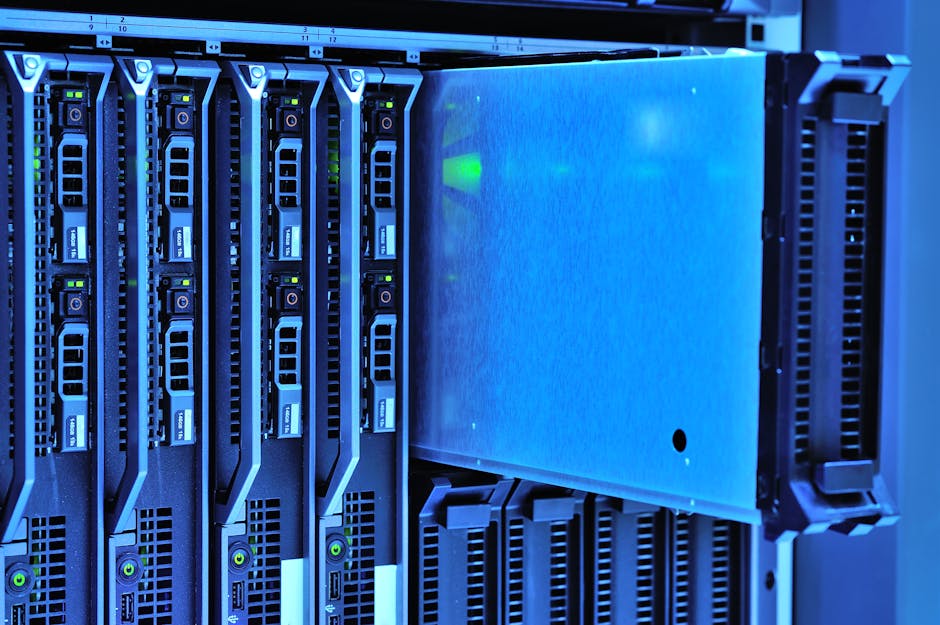
The emergence of vector databases is revolutionizing how SaaS products manage data. This shift significantly impacts the Retrieve and Generate (RAG) architecture, allowing for enhanced data retrieval capabilities essential for AI-driven applications.
What is the Concept
Vector databases store and manage data as high-dimensional vectors. This method contrasts with traditional databases that rely on relational structure, enabling rapid retrieval of complex queries and more efficient data processing.
In today's AI-centric world, where performance is critical, vector databases provide a more robust foundation for RAG frameworks in SaaS products.
Why It Matters in Australia (2025–2026 Context)
Australia's SaaS market is experiencing rapid growth, with numerous startups leveraging AI to enhance their offerings. As machine learning becomes integral to business operations, understanding how vector databases influence RAG architecture is becoming increasingly important.
By 2026, companies that effectively harness vector databases will likely see improved performance and user satisfaction, positioning themselves ahead of the competition.
How AI Is Changing This
AI is pushing the boundaries of how organizations implement data retrieval. Vector databases complement RAG architectures by enabling dynamic data handling and retrieval walks, enhancing the user experience through personalization.
As businesses in Australia adopt these technologies, the integration of vector databases will create a foundation for advanced AI functionalities.
Real-World Examples
Local companies like Airtasker and Xero are already exploring vector databases to improve their data processing capabilities. These applications have the potential to significantly enhance user interactions by providing faster and more relevant data.
With the right implementations, SaaS solutions can harness user data to generate meaningful insights and drive decision-making.
Practical Insights / Actions
For SaaS providers in Australia, the transition to vector databases can be an effective strategy. Here’s how to approach it: 1) Assess your current data management systems; 2) Explore existing vector database solutions; 3) Implement a gradual integration plan that allows for adjustments based on feedback.
A focus on user feedback will ensure the newly implemented systems meet business needs effectively.
Future Outlook
As we move toward 2026, the integration of vector databases into SaaS products will likely continue to grow. This trend will facilitate the development of smarter applications, bolstering analytics capabilities and speed.
Future-ready businesses need to adapt to these changes to maintain their competitive edge in the market.
Conclusion
In summary, vector databases are set to transform RAG architecture for SaaS products in Australia. Companies that stay ahead of this trend will not only enhance their operational capabilities but also improve user experiences, leading to greater engagement and satisfaction.
Frequently Asked Questions
What are vector databases?
Vector databases store data as high-dimensional vectors, enabling efficient data retrieval for AI applications.
How do vector databases improve RAG architecture?
They enhance data handling efficiency, enabling faster and more complex queries essential for AI-driven solutions.
Which industries in Australia can benefit from vector databases?
Industries such as fintech, healthcare, and customer service can leverage vector databases to improve their SaaS offerings.
Are vector databases more expensive to implement?
While there may be initial higher costs, the long-term efficiencies can lead to cost reductions in operations.