
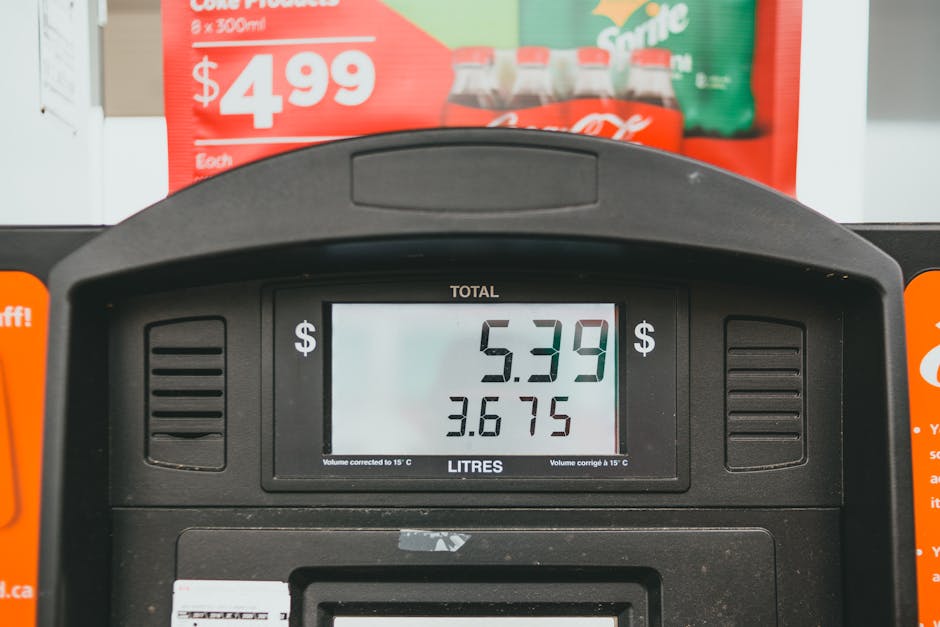
Recent lawsuits have captured the attention of California drivers as lawsuits develop against major corporations. The case involves Walmart and 7-Eleven being sued for alleged cash grab tactics using AI technologies for fixing gas prices.
What is the Concept
The concept emerging from California's legal action against Walmart and 7-Eleven revolves around the integration of AI in market pricing strategies. Allegations suggest that AI has been used to inflate gas prices for consumers, ultimately impacting the pockets of everyday drivers.
At the heart of this lawsuit lies Kalibrate, a company that provides AI-driven pricing tools, accused of colluding with the retail giants to manipulate prices.
Why It Matters in United States (2025–2026 Context)
This lawsuit is crucial as it highlights an emerging legal landscape concerning technology and market fairness. In the next few years, as AI becomes more ingrained in pricing strategies, regulatory scrutiny is likely to increase to ensure a fair market.
The implications of AI tampering with essential services like fuel may lead to wider discussions about consumer rights, technology ethics, and proper use of AI in industry.
How AI Is Changing This
AI is transforming how prices are set across industries, introducing efficiency but also ethical dilemmas. By analyzing vast amounts of data, AI can predict consumer behavior and adjust prices accordingly. However, the lawsuit raises questions about whether such adjustments are transparent and fair.
The advance of AI is causing businesses to rethink their pricing methodologies, incorporating algorithmic strategies that could potentially lead to discriminatory practices against particular consumer groups.
Real-World Examples
The controversy surrounding the gas prices at Walmart and 7-Eleven is not unique. Similar issues have arisen in other industries, such as airlines using dynamic pricing algorithms that fluctuate based on demand. For instance, a couple of years ago, an airline was sued over allegations of price discrimination against certain customer demographics.
California's lawsuit may set the precedent for future cases as industries increasingly rely on AI for customer interactions and price adjustments.
Practical Insights / Actions
For businesses, this case serves as a cautionary tale. Transparency and compliance in AI applications must be maintained. Implementing systems that ensure ethical pricing practices is key to avoiding legal repercussions.
Businesses that utilize AI technology to generate profit should make strides toward fair pricing models that correspond with consumer expectations to enhance public trust.
Future Outlook
As the case unfolds, it will provide a unique lens through which the United States can view the implications of AI in pricing. If prevailing, the lawsuit could encourage a push toward enhanced regulatory frameworks that oversee AI use in market practices.
In the next few years, organizations should brace for tighter regulations not just in California but potentially nationwide, reflecting a broader concern over AI ethics.
Conclusion
The legal actions taken by California drivers against Walmart and 7-Eleven illustrate a significant moment in the evolving dialogue surrounding AI implementation and market ethics. This case could very well inform the direction of AI regulation and its day-to-day implications for businesses and consumers alike.