How Is U.S. Power Spending on Coal and Gas Surpassing China Due to Data Center Demand in 2026?
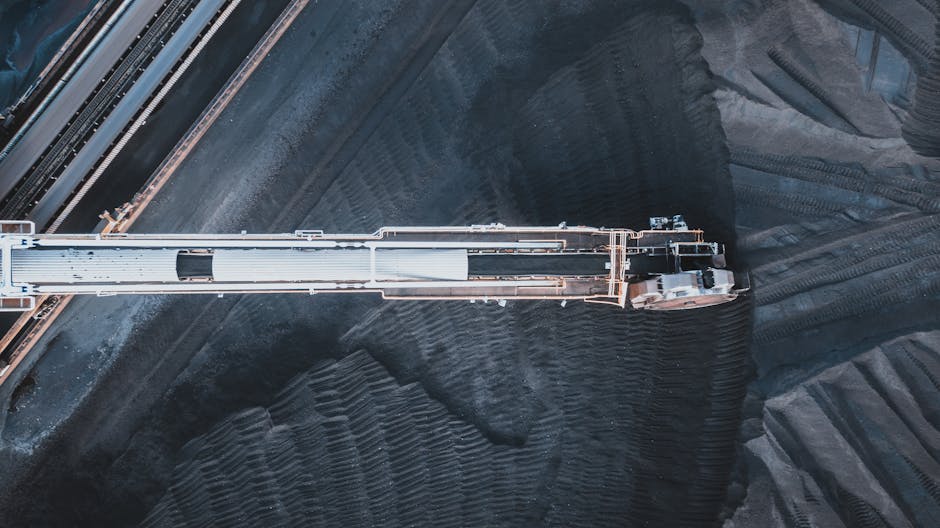
Recent predictions show that U.S. power spending on coal and gas is set to surpass China, with a staggering $50 billion investment driven primarily by the demand for data centers. This trend marks a shift in energy investments, raising questions about sustainability and economic impact.
What is the Concept
U.S. power spending on coal and gas refers to the financial resources allocated by energy companies to extract and utilize these fossil fuels. This spending is influenced largely by the increasing demand for energy from data centers, which require substantial amounts of power to operate effectively.
In the context of this energy shift, the investment in traditional fossil fuels reflects both a response to immediate energy needs and challenges related to climate change.
Why It Matters in United States (2025–2026 Context)
As of 2026, the U.S. economy is leaning heavily on the digital sector, leading to a rise in data center operations. This increase in demand for data processing and storage translates to higher energy consumption, reinforcing the need for reliable energy sources.
This trend holds significant implications for energy policy and business strategies across the country, particularly as industries grapple with balancing economic growth and environmental responsibilities.
How AI Is Changing This
Artificial intelligence plays a crucial role in optimizing energy consumption and resource allocation in data centers. Advanced AI analytics can forecast energy needs, improving efficiency while reducing waste.
Moreover, AI technologies are being utilized to develop smart grids, allowing for better management of the energy supply and demand, essential in supporting the increase in power spending.
Real-World Examples
Companies like Google and Amazon are leading the charge in establishing data centers across the U.S., particularly in states like Virginia and Texas, where energy costs are lower. These centers not only drive local economies but also influence national energy strategies.
For example, a recent data center investment by Amazon in Northern Virginia is expected to create thousands of jobs while significantly increasing local power spending.
Practical Insights / Actions
Businesses looking to navigate this landscape should consider investing in smart energy solutions that enhance efficiency and lower operational costs. Engaging with energy consultants can also provide insights into sustainable practices as regulations evolve.
Additionally, organizations can evaluate their power consumption and seek partnerships with energy providers focusing on cleaner options to enhance their corporate responsibility profile.
Future Outlook
Looking ahead, the U.S. power sector is likely to see continued investment in both fossil fuels and renewable energy sources, attempting to strike a balance between demand and environmental impact.
As data center operations grow, companies that adapt to emerging technologies, particularly those related to AI, will be better positioned for success in this dynamic energy landscape.
Conclusion
The significant investment in coal and gas by the U.S. as a response to the soaring demand for data center energy highlights a critical junction for energy policy and corporate strategy. Businesses must remain agile, embracing technology and efficiency to thrive in this evolving market.
Frequently Asked Questions
What factors are driving U.S. power spending on coal and gas?
The rising demand for energy from data centers and the need for reliable energy sources are key factors driving U.S. power spending on coal and gas.
How does data center demand influence energy prices in the U.S.?
Increased energy demand from data centers can lead to higher prices as companies invest in infrastructure to support this growth.
What role does AI play in the energy sector?
AI helps optimize energy consumption, forecast demand, and manage resources efficiently, enabling better energy management in data centers.
What states are seeing the most data center investment?
States like Virginia and Texas are at the forefront of data center investments due to lower energy costs and favorable business conditions.