
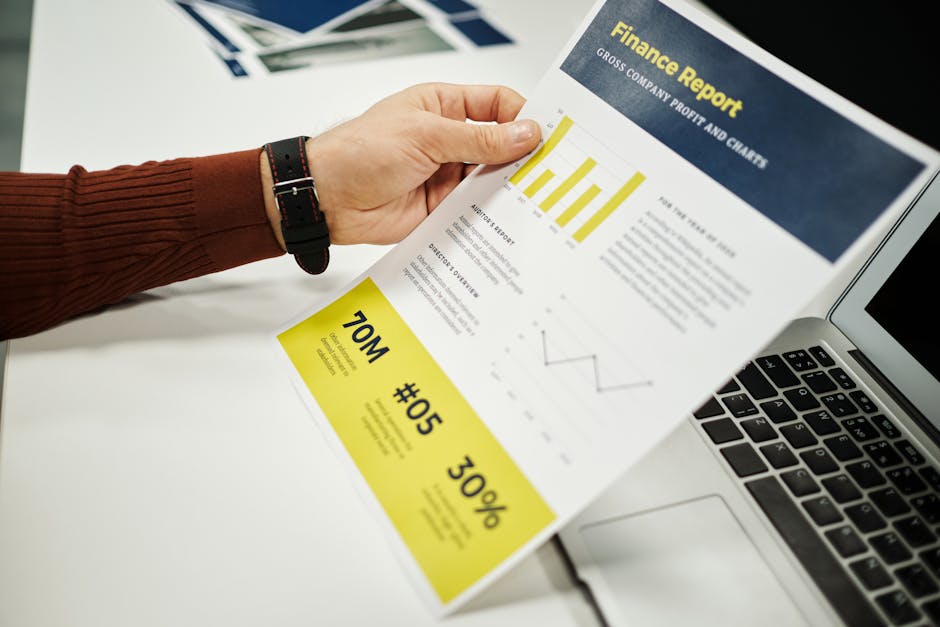
Most enterprise AI pilots die in the same place: not in the model's performance, but on a CFO's desk. The best enterprise AI system isn't the one with the highest benchmark score, it's the one a CFO is willing to sign off on, because that's the only version that ever reaches production at scale.
What is the Concept
CFO-approved AI means a system with traceable spend, predictable usage costs, auditable outputs, and clear accountability for errors. Call this the Approval Surface: the sum of everything a finance leader needs to see before signing a budget line, including usage metering, data handling, and a documented failure process.
Most AI vendors optimize for technical capability and ignore the Approval Surface entirely, which is why so many technically impressive tools never make it past a three-month pilot.
Why It Matters Now (2025–2026 Context)
Enterprise AI budgets tightened through 2025 as finance teams grew skeptical of unmeasured AI spend, and that skepticism has only sharpened heading into 2026. CFOs are now the actual gatekeepers of AI adoption, not CTOs, because AI costs scale unpredictably with usage in a way traditional software licenses never did.
A system that can't produce a clean cost-per-outcome number gets frozen at renewal, regardless of how well it performed technically.
How AI Is Changing This
The vendors winning enterprise deals in 2026 aren't necessarily shipping the most advanced models, they're shipping the clearest usage dashboards, per-department cost attribution, and audit trails finance teams can review without an engineer translating for them.
This shifts the competitive advantage from raw model quality to governance tooling. An enterprise AI system that shows a CFO exactly what was spent, on what, and with what measurable outcome closes budget conversations that pure capability demos cannot.
Real-World Examples
A mid-sized logistics company ran two AI pilots in parallel: one from a well-known model provider with no cost dashboard, and one from a smaller vendor that shipped per-route cost attribution from day one. The CFO approved a full rollout of the second tool within six weeks, while the first pilot was still awaiting a budget decision at the ninety-day mark.
The deciding factor wasn't output quality, both tools performed comparably. It was that one vendor made the Approval Surface visible and the other made the CFO chase down the numbers manually.
Practical Insights / Actions
Before evaluating any enterprise AI tool, ask the vendor for a sample cost-per-outcome report and an audit log format. If they can't produce one on request, budget approval will stall regardless of the model's quality.
Internally, build a one-page AI Approval Surface template covering usage cost, data handling, and failure accountability, and require every pilot to fill it in before it reaches a CFO's desk. This alone cuts pilot-to-production time significantly because finance objections get addressed upfront instead of after a stalled renewal.
Future Outlook
Through 2026, expect procurement processes to formalize the Approval Surface into a standard checklist, the same way security questionnaires became standard for SaaS a decade ago. Enterprise AI vendors that treat CFO approval as a design requirement, not an afterthought, will out-compete technically stronger rivals that ignore finance's actual buying criteria.
Conclusion
The best enterprise AI system is the one CFOs are allowed to use, because approval is the actual bottleneck, not capability. RP SoftTech designs AI implementations with the Approval Surface built in from day one, so enterprise clients get systems that clear finance review instead of stalling in pilot purgatory.